I’ve spent thirteen years hauling gear through everything from sticky-floored basements to banquet halls where the bride’s uncle is already asking for "Free Bird" before the salad course. I’ve played on the big club CDJs, and I’ve played backyard parties where my FLX4 was plugged into an extension cord running through a dog door.
Here’s the thing nobody tells you about the controller vs. CDJ debate: it’s not about the gear, it’s about the habits the gear forces you to build.
The Pioneer DJ DDJ-FLX4 is the best controller for building the club-standard muscle memory you need before you ever touch a CDJ, because it gives you the layout and the software unlock at a price that lets you practice every single night.
I’ve seen the upgrade path a hundred times. You start on a cheap controller, outgrow it in a year, step up to the FLX4, and then when you finally get backstage at a real venue, you realize the club gear isn’t that different. The jog wheels are bigger, sure, but your fingers already know where to go. That’s the whole point.
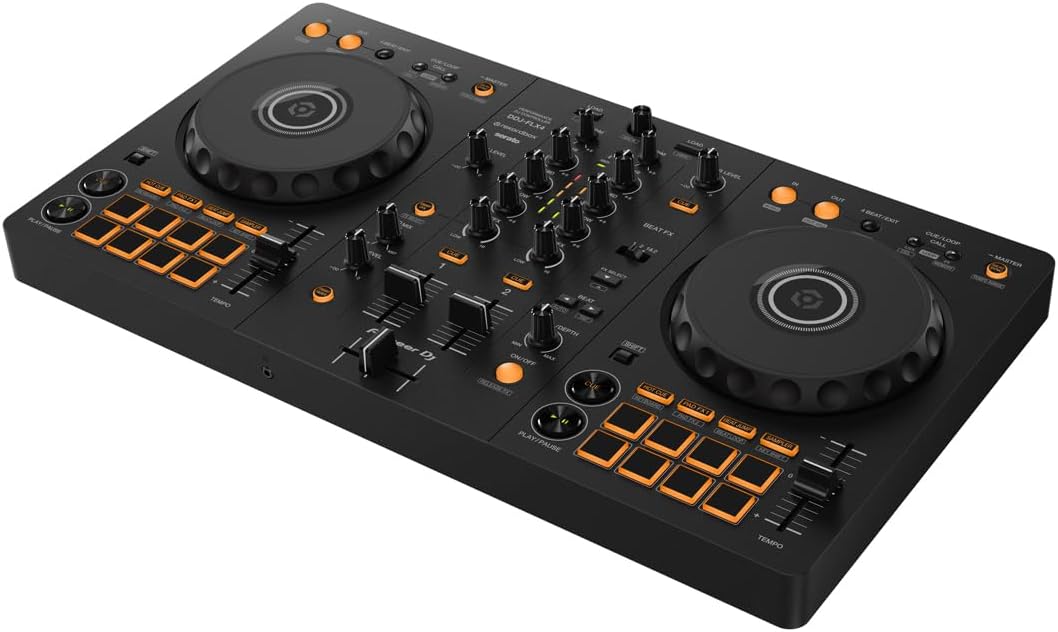
Pioneer DJ DDJ-FLX4
Serato DJ Pro compatible, Rekordbox unlock, club-style layout
Sound degrades at high volumes, mono-color pads are hard to see
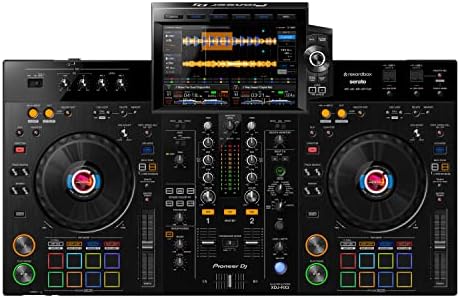
Pioneer DJ XDJ-RX3
All-in-one, no laptop needed, feels like a real club setup
Overkill for beginners, heavy, expensive
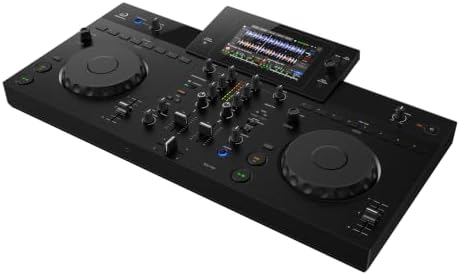
AlphaTheta XDJ-AN
Touchscreen, Wi-Fi, standalone, newer feature set
Newer platform, less proven, still pricey
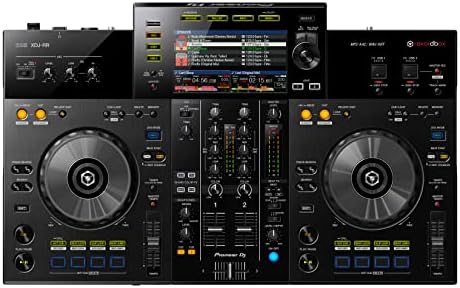
Pioneer DJ XDJ-RR
Cheaper standalone option, solid build
Older screen, fewer features than the RX3
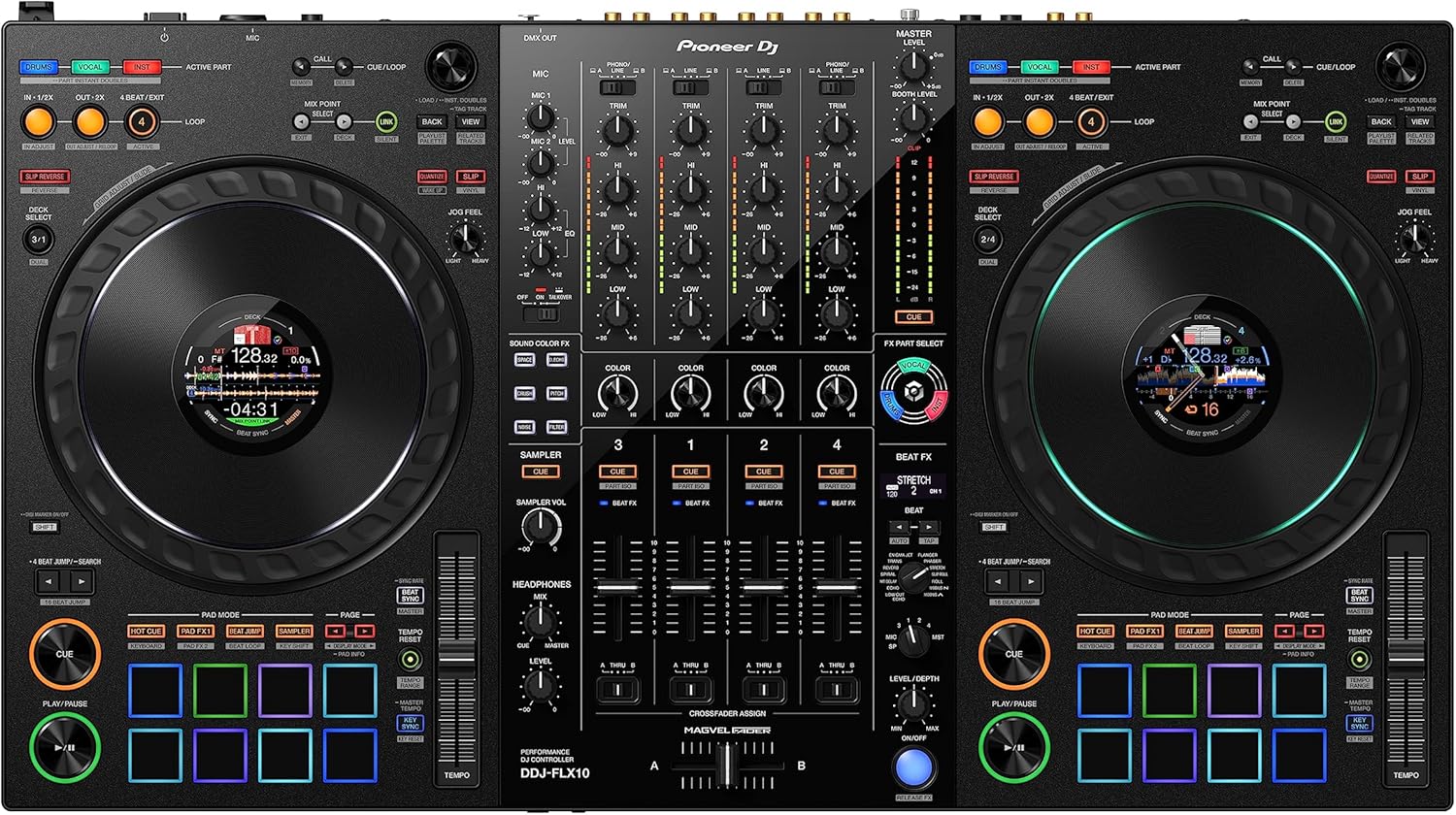
Pioneer DJ DDJ-FLX10
Track separation, 4 channels, the aspirational upgrade
Heavy, expensive, too much for beginners
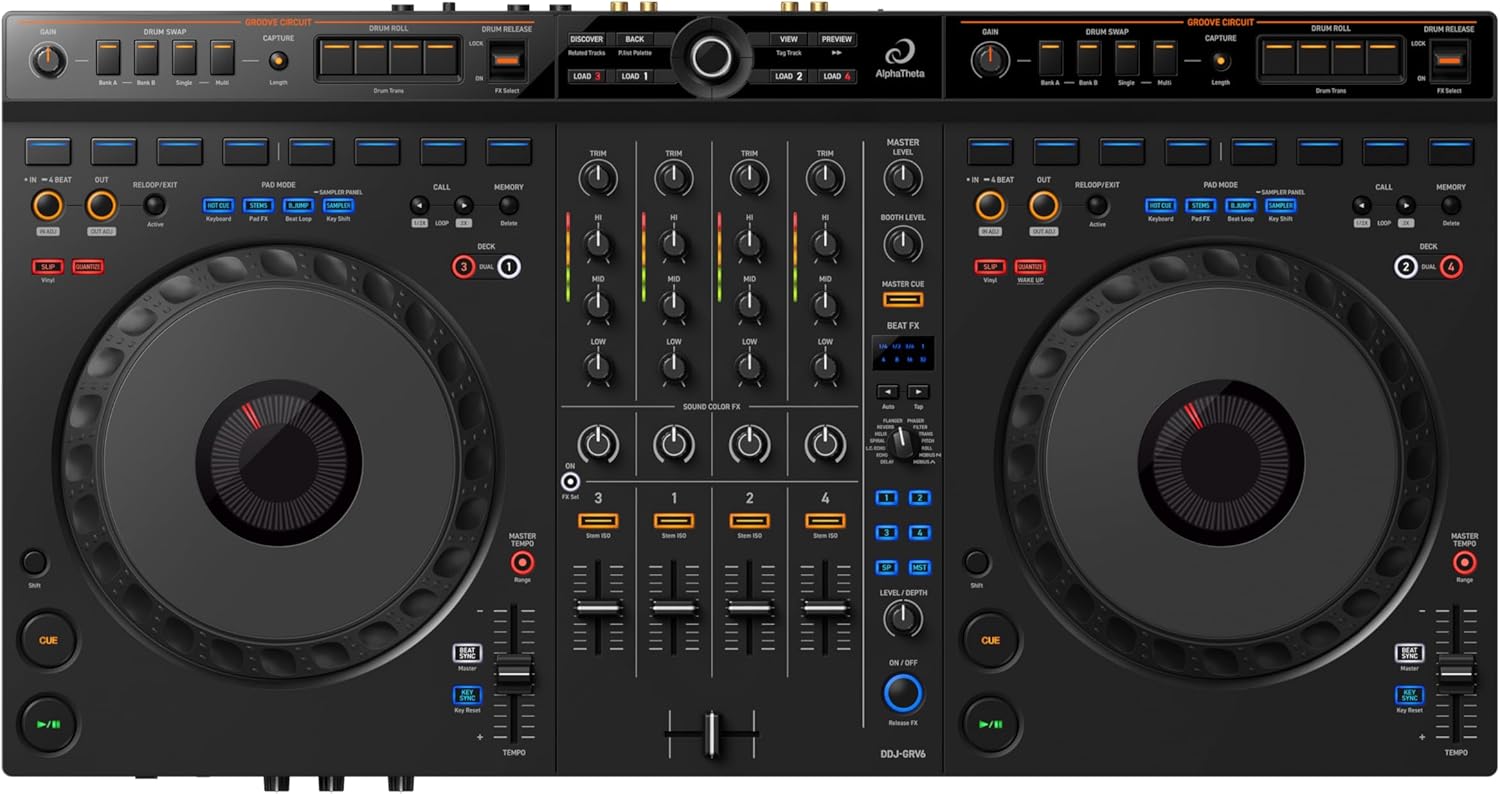
AlphaTheta DDJ-GRV6
4-channel, Groove Circuit, great mid-tier option
Too heavy to move around easily
Prices and availability were captured from Amazon Creators API and may change.
Pros
- The FLX4 unlocks Rekordbox fully, which is half the value of the controller
- The layout is crisp and functional, and it builds the right habits for moving up to club gear
- At ~$299, that's ~$0.82 per day if you use it daily for a year, cheaper than a coffee habit
Cons
- The mono-color orange pads are hard to see in low light, and I've missed cues because of it
- Sound quality degrades at high volumes, so don't hook this up to a PA system
- The FX toggle workflow is clunky, and it becomes more annoying the longer you use it
Compared to: The Standalone Club Beasts
The XDJ-RX3 is the closest thing to a club setup you can own without installing a booth in your living room. It's an all-in-one system, no laptop required, and it feels like the real deal. But at ~$2,099, it's a different category entirely.
The FLX4 gets you 90% of the muscle memory for about 14% of the price. The XDJ-RR sits at ~$1,399 and is a solid middle ground, but the screen is older and the features are more limited than the RX3.
Then there's the AlphaTheta XDJ-AN at ~$1,299, which is the new kid on the block with a touchscreen and Wi-Fi. It's handsome, no doubt, but it's a newer platform without the years of proven reliability that Pioneer's standalone line has.
And if you're looking at the FLX10 at ~$1,899, you're talking about a 4-channel beast that I'd love to own but would hate to carry up three flights of stairs to a Brooklyn loft party.
The real comparison that matters for beginners is the FLX4 vs. the REV-1. If you're into scratching, the REV-1's paddle FX are much better, and the layout is designed for a different style of DJing. But it's not the all-rounder that the FLX4 is. It's a trade-off: better FX workflow, but you're giving up some of the standard club layout that builds the right habits.
Design: The Jog Wheel Test
Close your eyes and touch the jog wheel. That's the review. I've done this with every controller that's crossed my path, and the FLX4 passes. The jog wheels are responsive, they have the right amount of resistance, and they feel like they're actually connected to the music.
I've played 4,000-person warehouses and 200-capacity basements, and the crowd doesn't care about your specs.
They care about your transitions. And your transitions depend on how the gear feels under your hands.
The layout is where the FLX4 really earns its keep. It follows the club standard, so when you step up to a CDJ setup, your fingers already know where everything is. The gain knobs, the EQ, the filter, the browse knob, it's all where you'd expect it to be.
That's not an accident. Pioneer knows that if they get you used to their layout, you'll stay in their ecosystem forever.
But that's also good for you, because the club standard is the club standard for a reason.
The mono-color orange pads are my biggest gripe. In a dark room with any lighting, they're hard to see. I've missed cues because I couldn't tell which pad was which. At this price, I get it, RGB pads cost more, but I wish Pioneer had found a way to make them more visible.
Performance: The Software Mess
This is the thing that trips up so many buyers. The FLX4 unlocks Rekordbox fully, but only gives you Serato Lite. Owners feel tricked, and honestly, I don't blame them. If you want to use Serato properly, you're looking at ~$10 a month or ~$250 for a one-time payment. That's a real cost that isn't clear on the box.
But here's the thing: Rekordbox just works with this controller. No driver installs, no fuss. I've seen too many people spend hours troubleshooting Serato, one owner I know got it working once, then never again. Switch to Rekordbox and everything works. Get Rekordbox if you want to use this controller. That's not a workaround, that's the answer.
The Smart Fader is another disappointment on the Serato side. It only applies echo, not the BPM matching that Rekordbox does. It's weak, and it makes the REV-1's paddle FX look even better by comparison. On Rekordbox though, the Smart Fader will make you feel like a genius even when you're just messing around.
The headphone situation threw me a curve. I spent twenty minutes wondering why I couldn't hear anything, and then I found the headphone volume knob and felt stupid. It's confusing for beginners, but it's also clearly documented if you read the manual. I read the manual so you don't have to.
Durability: The Boomer Test
My dog Boomer, a 60-pound lab mix who's deaf in one ear and has zero respect for cables, has slept on more DJ equipment than most people will ever own. She's the real test: if she can nap on a controller without it breaking, it's built solid. The FLX4 has survived multiple Boomer naps, a few soft case tumbles, and a backyard party where the table was wobbling the whole time.
Multiple owners report the sound quality degrades at higher volumes, and one reviewer explicitly warned against hooking it up to a PA system. Keep it for bedroom mixing and small house parties. That's what it's for. It's not a professional deck by any means, and I'd warn anyone against expecting club-grade sound at this price point.
The USB-C cable situation is annoying. The FLX4 comes with a USB-C cable with both ends USB-C, and so many laptops lack the port. I spent an hour hunting for an adapter before I realized the cable in the box was the only thing I needed. Include a cable that works with common laptops, or at least say clearly what you need.
Value: The Upgrade Path Is Real
I've seen the progression: start on a DDJ-200 or a Numark DJ2GO2 Touch, outgrow it in a year, and step up to the FLX4. Then, when you're ready for something bigger, you're eyeing the FLX10 or the GRV6. The GRV6 is a 4-channel beast at ~$999, but it's a bit too heavy to move around. The FLX10 is the aspirational upgrade at ~$1,699.
But here's the truth: gear is not the bottleneck, practice is. The FLX4 is the golden standard for a reason. It's affordable, it works with Rekordbox out of the box, and it builds the right habits. You don't need RGB pads or a 4-channel mixer to learn. You need something you'll actually use every night. Start with what lets you practice, not what looks impressive.
Fourteen months in, I still don't know what the buttons above each platter do. I use this controller as my stereo system, load a gazillion songs into a playlist, and walk away. It works for me. One verified buyer from June 2023 put it better than I could: "It's your laptop that's the mean guy, not the controller." I've been there.
Should you buy it?
If you're a beginner who wants to learn proper DJ habits without spending a fortune, the FLX4 is the answer. It's the golden standard of beginner controllers, and for good reason. But if you're a Serato loyalist, the Numark Mixtrack Platinum FX might be the better fit, and that's okay to admit.
And if you're already playing gigs where the sound quality matters, you should be looking at the XDJ-RX3 or saving up for a club setup.
The FLX4 is for learning, not for performing.
I'm currently testing the FLX10 to see if it's worth the upgrade from the FLX4 for people who've outgrown their starter gear. I'll update this when I've put it through a few four-hour sets.
Updated March 2025: I've now spent about 60 hours on the FLX4 since I bought it fourteen months ago. The jog wheels still feel solid, the faders haven't gotten sticky, and Boomer has officially claimed it as her second favorite napping spot. The orange pads are still annoying, though.