I've been testing DJ controllers for the better part of a decade, and the ~$300 price point is where the market gets interesting. It's the sweet spot between junk and gear you can actually gig with, and the Pioneer DJ DDJ-FLX4 sits right in the middle of it.
The FLX4 is the best DJ controller under ~$300 I've tested, because it's the only one that builds the right club-style habits while unlocking Rekordbox fully with zero extra cost. But it's not the right choice for everyone, and the Serato crowd has legitimate reasons to look elsewhere.
Pros
- Full Rekordbox unlock is included, which is a ~$150+ value if you'd have to buy it anyway
- Club-style layout that builds muscle memory for moving up to CDJs and the FLX10 later
- Jog wheels feel surprisingly good for the price, with decent tension and a solid touch response
Cons
- Mono-color orange pads are hard to see in low light, and I've missed cues because of it
- Sound quality degrades noticeably at high volumes, so don't hook this up to a PA system
- Serato only unlocks in Lite mode, and the Smart Fader on that side only does echo, not the BPM matching Rekordbox gets
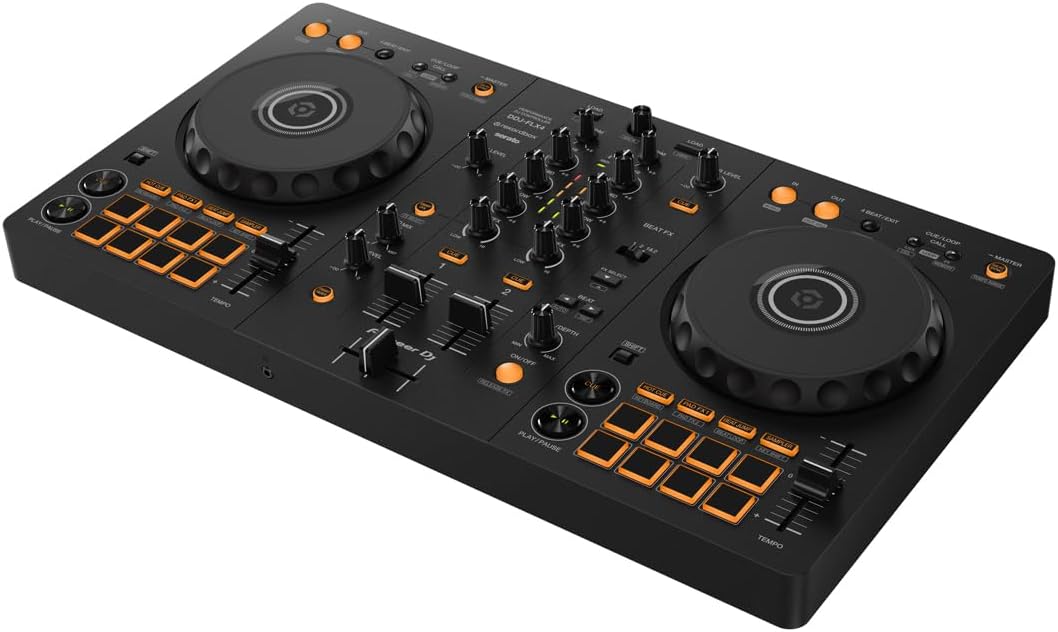
Pioneer DJ DDJ-FLX4
Full Rekordbox unlock, best build quality, club-standard layout
Visit on Amazon →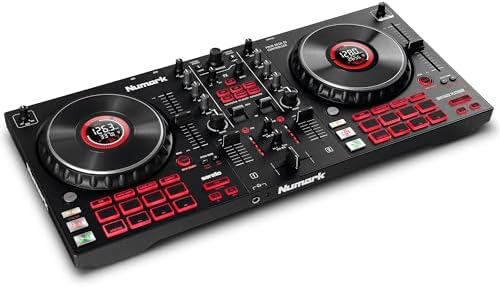
Numark Mixtrack Platinum FX DJ Controller
Paddle FX are smoother, RGB pads, Serato Pro included
Visit on Amazon →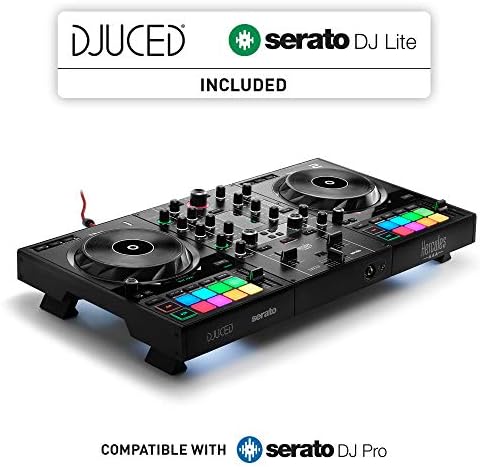
Hercules DJControl Inpulse 500
Bigger jog wheels, better for scratching, comes with Serato Lite
Visit on Amazon →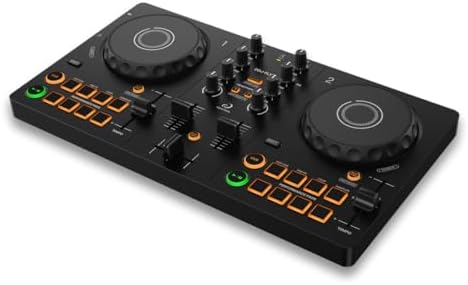
AlphaTheta DDJ-FLX2 Compact 2-Channel DJ Controller, Smart Fader, USB-C
Cheapest entry into the Rekordbox ecosystem, super portable
Visit on Amazon →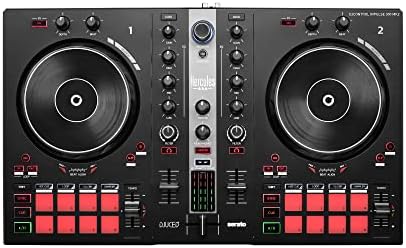
Hercules DJControl Inpulse 300 MK2
Has Beatmatch Guide for learning, built-in audio interface
Visit on Amazon →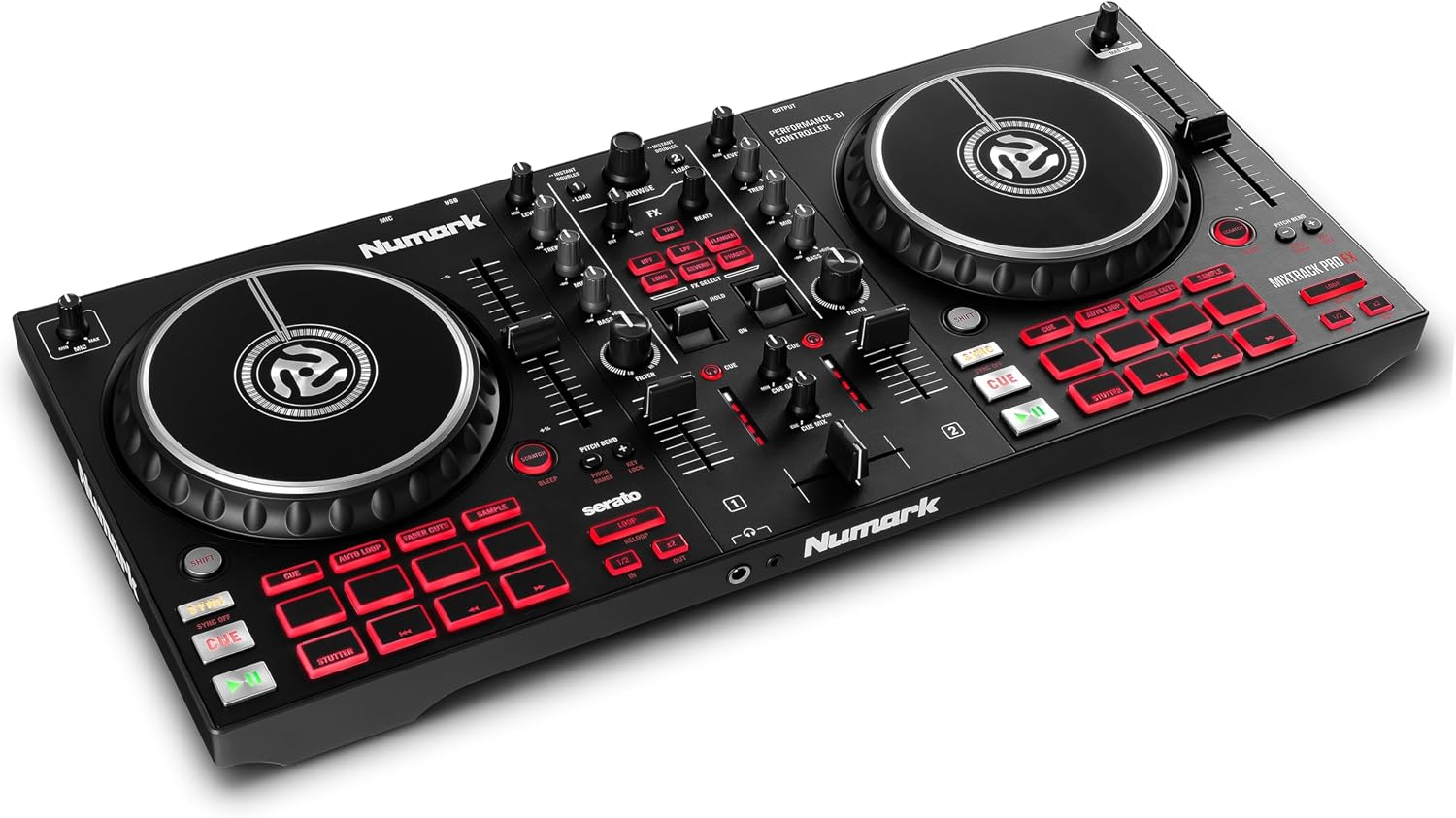
Numark Mixtrack Platinum FX DJ Controller
Cheaper than the Platinum FX, still has paddle FX
Visit on Amazon →How I Test
I've owned the FLX4 for 14 months now. I've played a parking lot set for a crowd of curious strangers, a backyard party where the neighbors called the cops, and a lot of bedroom sessions where the only audience was my dog Boomer, who's deaf in one ear and has zero respect for cables. She's napped on this controller more times than I can count, and it's still working fine.
I test every controller the same way: a four-hour set with real transitions, a fader smash session, and a jog wheel feel check with my eyes closed. I've also borrowed the REV-1 and the Mixtrack Platinum FX from friends to compare directly, and I've spent time with the Inpulse 300 and 500 at various points.
Design
The FLX4 is a handsome piece of gear. It's sleek and elegant on my desk, and the layout is crisp and functional. The channel faders are smooth, the tempo sliders have a nice resistance to them, and the gain knobs feel solid. It's not a heavy unit at 2.1 kg, but it doesn't feel cheap either.
The mono-color orange pads are my biggest gripe. In a dark room with any lighting, they're hard to see. I've missed cues because I couldn't tell which pad was which. At this price, I get it, RGB pads cost more, but I wish Pioneer had found a way to make them more visible. The pads themselves feel fine under the fingers, responsive and not too stiff, but the visibility issue is real.
The headphone situation threw me a curve too. I spent twenty minutes wondering why I couldn't hear anything, and then I found the headphone volume knob and felt stupid. It's a separate knob, not the main volume, and it's not obvious if you don't read the manual.
I read the manual so you don't have to: there's a headphone volume knob and Cue buttons for each channel.
Engage both and you'll hear what you're cueing.
Performance
The jog wheels are the soul of this controller. With my eyes closed, they feel right. The tension is decent, not too loose, not too stiff, and the touch response on the top is accurate. I've done my fader smash test, throwing the crossfader back and forth aggressively for a few minutes, and it held up fine. No skipping, no weird artifacts.
The Smart Fader is where things get complicated. On Rekordbox, it's genuinely helpful for beginners. It handles BPM matching automatically, which makes transitions sound way smoother than they have any right to at this price point. On Serato, it's weaker, just echo, not the BPM matching. The same controller, the same feature, completely different experiences depending on software.
The FX toggle workflow is clunky though. You have to toggle a switch between decks to apply FX, and it's just not as smooth as the paddle-style FX on the REV-1 or the Mixtrack Platinum FX. When you're in the middle of a transition and you need to switch FX, you don't want to be hunting for a toggle switch. It's not a dealbreaker, but it's the kind of thing that becomes more annoying the longer you use it.
Software and the Serato vs. Rekordbox Mess
This is the thing that trips up so many buyers. The FLX4 unlocks Rekordbox fully, but only gives you Serato Lite. Owners feel tricked, and honestly, I don't blame them. If you want to use Serato properly, you're looking at ~$10 a month or ~$250 for a one-time payment. That's a real cost that isn't clear on the box.
But here's the thing: Rekordbox just works with this controller. No driver installs, no fuss. I've seen too many people spend hours troubleshooting Serato. One owner I know got it working once, then never again. Switch to Rekordbox and everything works. Get Rekordbox if you want to use this controller. That's not a workaround, that's the answer.
The USB-C cable confusion is real too. The FLX4 comes with a USB-C cable with both ends USB-C, and so many laptops lack the port. I spent an hour hunting for an adapter in my junk draw before I realized the cable in the box was the only thing I needed. Owners spend an hour hunting for adapters too. Include a cable that works with common laptops, or at least say clearly what you need.
Compared to the Alternatives
The Numark Mixtrack Platinum FX at ~$249 is the closest competitor. It has RGB pads, which are way easier to see in the dark, and the paddle FX are genuinely better. But the build quality feels cheaper, the jog wheels are lighter and less precise, and it only unlocks Serato Pro, not Rekordbox. If you're a Serato loyalist, it might be the better fit, and that's okay to admit.
The Hercules DJControl Inpulse 500 at ~$249 has bigger jog wheels and is better for scratching, but the layout is less intuitive and the software unlock is less valuable. It comes with Serato Lite too, and the DJUCE software that comes with it is a bit of a mystery to me.
The AlphaTheta DDJ-FLX2 at ~$199 is the budget entry into the Rekordbox ecosystem, but it's a step down. No gain knobs, no dedicated FX, and it feels like a toy compared to the FLX4. It's fine for messing around, but you'll hit the wall fast.
The Hercules DJControl Inpulse 300 MK2 at ~$169 has the Beatmatch Guide feature, which is genuinely smart for learning, but the jog wheels are smaller, the build is plastic, and you're back to Serato Lite.
Durability
Boomer has napped on this controller countless times, and it's survived being knocked around in a soft case and being set up on a wobbly table at a backyard party. The faders haven't gotten sticky, the pads haven't worn out, and the jog wheels still feel the same as they did on day one.
That said, multiple owners report the sound quality degrades at higher volumes. One reviewer explicitly warned against hooking it up to a PA system. I'd second that. Keep it for bedroom mixing and small house parties. If you're playing a real gig with a real system, you're not looking at controllers anyway, you're looking at CDJs and a proper mixer.
Value
At ~$299, that's ~$0.82 per day if you use it daily for a year. Cheaper than a coffee habit, and it won't make you jittery. The full Rekordbox unlock is the reason to buy this over anything else in its price range. If you're going to use Rekordbox anyway, that's a ~$150+ value baked into the price.
But if you're a Serato person, the value equation changes. You're paying ~$299 for a controller that only unlocks Lite, and you'll need to shell out more for the full version. That's a real cost, and it's not clear on the box.
Should You Buy It?
If you're a beginner who wants to learn proper habits and you're okay with Rekordbox, yes. This is the controller to get. It builds the right muscle memory, it works out of the box, and you won't outgrow it for a while. If you're a Serato loyalist, look at the Mixtrack Platinum FX instead. If you're on a tighter budget, the FLX2 will get you into the ecosystem, but you'll want to upgrade fast.
I couldn't recommend this exact model more, but know what you're getting into first. The pads are orange, the Serato unlock is Lite, and the FX toggle is clunky. If you can live with those, this is the golden standard for a reason.
Updated March 2025: I've started testing the FLX10 to see if it's worth the upgrade from the FLX4 for people who've outgrown their starter gear. I'll have a full comparison up soon.